









The Reserve Bank of Zimbabwe’s drive to stabilise inflation and the exchange rate is facing a new test: whether monetary discipline can now translate into cheaper finance, increased investment and stronger private sector growth.
This emerged during consultations between the Zimbabwe National Chamber of Commerce and the central bank ahead of the 2026 Mid-Term Monetary Policy Review, where business leaders acknowledged progress on stability but pressed authorities on the unresolved constraints affecting companies.
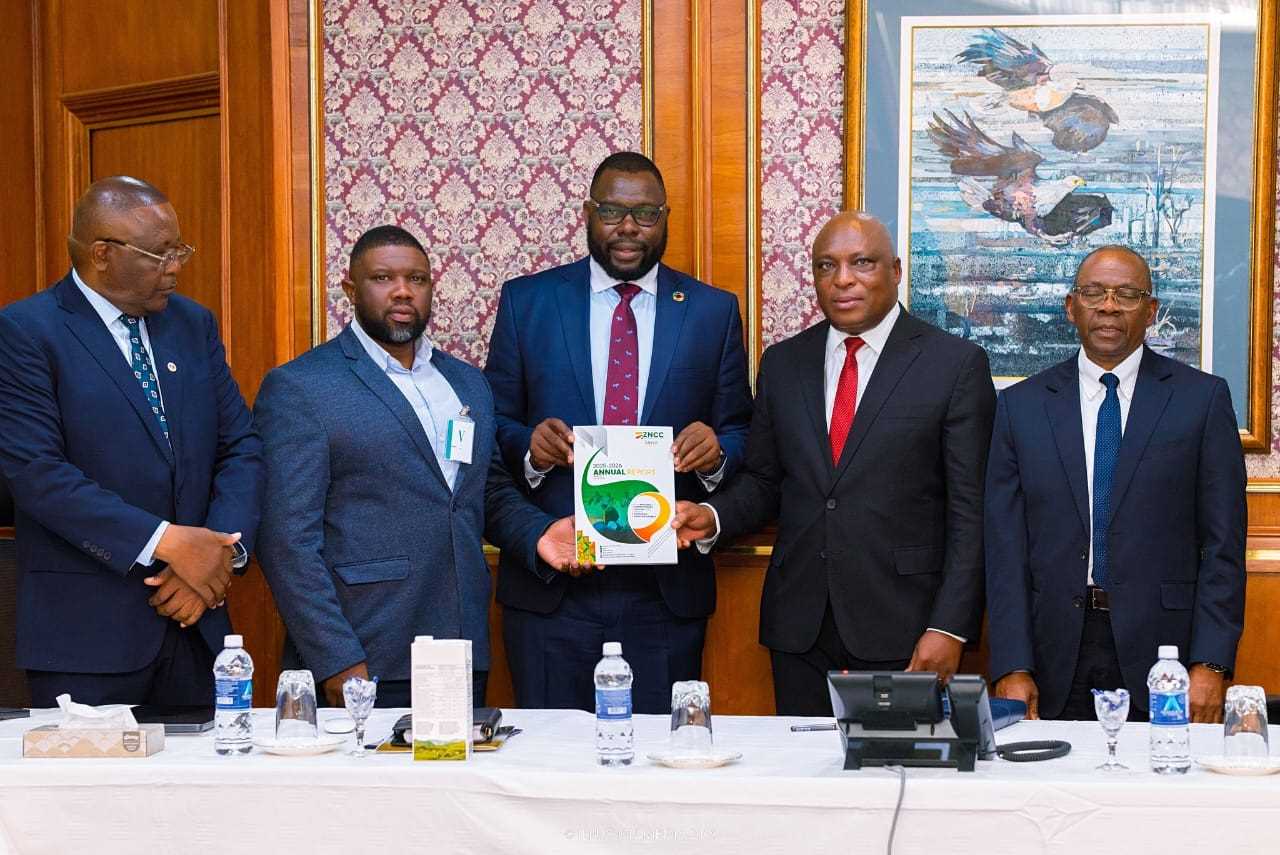
The engagement, brought together RBZ Governor John Mushayavanhu and ZNCC representatives led by Immediate Past President Tapiwa Karoro, Past Presidents Luxon Zembe and Mike Kamungeremu, chief executive officer Christopher T. Mugaga and members of economic subcommittees.
ZNCC said the discussions provided “an open and candid exchange of views” on the country’s macroeconomic outlook, monetary policy direction, financial sector developments and the wider business operating environment.
The Chamber’s position reflects a growing tension in Zimbabwe’s economic recovery strategy: while stabilising prices and the exchange rate is necessary, businesses argue that stability without affordable credit and improved productivity risks becoming a limited achievement.
“The Chamber commended the progress made in maintaining exchange rate stability, moderating inflation, and strengthening monetary discipline, while highlighting areas that continue to require policy attention,” ZNCC said.
The areas flagged include “the cost and availability of credit, financial intermediation, export surrender requirements, bank charges, liquidity conditions, and measures to deepen confidence and transactional use of the ZiG.”
The concerns highlight the next phase of Zimbabwe’s monetary reform challenge. After years of currency volatility and inflation shocks, policymakers have prioritised controlling liquidity growth and rebuilding confidence. However, businesses argue that restrictive monetary conditions can also constrain expansion by making borrowing expensive.
RBZ Governor John Mushayavanhu has previously defended the central bank’s approach, arguing that credibility depends on maintaining discipline.
“Credibility for a central bank was built through consistent policy implementation and effective liquidity management,” Mushayavanhu said.
Related Stories
The RBZ has maintained that controlling money supply growth and strengthening reserves are critical to sustaining price and exchange rate stability.
However, for the private sector, the measure of success is increasingly shifting from stability indicators to economic outcomes — including whether companies can access affordable capital, increase production and create jobs.
ZNCC’s engagement with the central bank reflects this transition.
The Chamber said both parties agreed that stability must now begin supporting broader economic transformation.
“Both parties agreed that macroeconomic stability must increasingly translate into stronger investment, productivity, competitiveness, and sustainable economic growth,” ZNCC said.
The RBZ also updated the business community on reserve accumulation, implementation of the IMF Staff-Monitored Programme, the Targeted Finance Facility, exchange rate developments and the outlook for the financial sector.
The challenge for policymakers will be balancing two competing priorities: maintaining tight monetary conditions to protect the ZiG while ensuring businesses have enough liquidity and affordable financing to expand.
For the private sector, confidence in the ZiG will depend not only on exchange rate stability but also on whether the currency becomes increasingly useful for everyday transactions and business planning.
Karoro has previously emphasised the need for policy clarity and reduced uncertainty for businesses, arguing that companies require predictable rules to make investment decisions.
“Members therefore seek clear subsidiary guidance, published interpretations and harmonised application across institutions to reduce discretion and compliance risk,” Karoro said during an earlier policy engagement.
The ZNCC said it would continue providing research-based recommendations to policymakers, positioning itself as a link between government institutions and businesses.







Leave Comments